What DIY Movers Don't See Coming: The Real Price Tag of Going It Alone

Photo: person calculating moving expenses with receipts and boxes on table, via thumbs.dreamstime.com
The Allure of the Self-Move — and Where It Starts to Unravel
For many Americans facing a relocation, the math seems straightforward at first glance: rent a truck, recruit a few friends, and save several hundred — perhaps even thousands — of dollars by skipping professional movers. It is a tempting calculation, and it drives millions of households to attempt the do-it-yourself route every year.
But the full financial picture rarely looks as clean as that initial estimate suggests. Hidden costs have a way of surfacing at precisely the wrong moment — at the rental counter, on the highway, or during the first week in a new home when you discover that your dining table arrived in pieces. This article breaks down the actual expenses DIY movers tend to encounter, compares them against professional moving costs in realistic scenarios, and offers a transparent framework for deciding which approach genuinely fits your budget.
Breaking Down the True Expenses of a Self-Move
Truck and Equipment Rental
The most visible cost in any DIY move is the truck rental itself. Rates vary considerably based on truck size, distance, and season, but a one-way rental for a three-bedroom home moving from Chicago to Nashville during peak summer months can run anywhere from $1,200 to $2,500. That figure, however, is rarely the final number on your invoice.
Mileage fees, fuel surcharges, environmental fees, and the cost of returning the truck to a designated location can add several hundred dollars to the base rate. Dollies, moving blankets, and furniture pads — items most renters assume are included — are typically billed separately, often at $20 to $50 per item per day. A realistic equipment total for a fully furnished three-bedroom home frequently lands between $200 and $400 beyond the truck itself.
Packing Materials
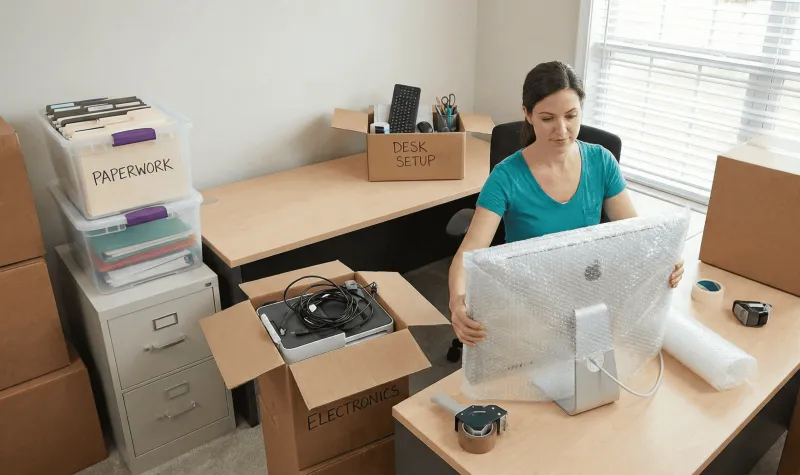
Boxes, tape, bubble wrap, packing paper, and specialty containers for mirrors or artwork accumulate quickly. Industry estimates suggest the average household spends $150 to $400 on packing supplies alone. Purchasing new, purpose-built materials rather than scrounging secondhand boxes from grocery stores is always the safer choice for protecting belongings — but it comes at a price.
The Time Cost Nobody Budgets For
Time is perhaps the most consistently underestimated expense in a self-move. Packing a three-bedroom home typically demands 40 to 60 hours of focused effort, spread across multiple weekends. Loading and unloading a truck for that same home averages 8 to 12 hours with a small crew. Driving a large moving truck — particularly across state lines — is slower and more fatiguing than driving a personal vehicle, adding hours to any long-distance journey.
For professionals earning $30 or more per hour, those lost working hours represent a meaningful economic cost. For salaried employees using paid time off, the calculation is equally significant. A move that consumes two full weekends and several vacation days carries a real financial weight that rarely appears in the initial budget.
Damage: The Cost That Hurts Most
According to claims data from moving industry sources, DIY movers experience significantly higher rates of property damage than those who use professional services. Furniture scratches, broken electronics, cracked mirrors, and structural damage to door frames or hardwood floors are among the most common incidents.
The critical distinction is coverage. Standard truck rental insurance policies typically cover the vehicle, not your belongings. Homeowner's or renter's insurance may cover some items during transit, but deductibles often range from $500 to $2,000 — meaning minor damage events may not be worth claiming at all. A single broken flat-screen television, a chipped antique dresser, or a damaged washing machine can erase the perceived savings of the entire DIY approach.
Injury Risk and Its Financial Consequences
Back injuries from lifting heavy furniture are among the most frequent moving-related medical incidents reported in the United States. Emergency care visits, follow-up physical therapy, and lost productivity from recovery time represent costs that are rarely factored into a pre-move budget. Professional movers carry workers' compensation coverage for their crews; when a friend helping with your move sustains an injury on your property, the liability implications can be significant.
When DIY Actually Makes Financial Sense
To be fair, there are genuine scenarios where a self-move is the economically sound choice. Local moves covering short distances — particularly for individuals or couples with limited furniture and flexible schedules — can be completed efficiently with a smaller rental vehicle at a comparatively low cost. A single-bedroom apartment move within the same metro area, for instance, might cost $300 to $600 in total DIY expenses, compared to $800 to $1,200 for professional assistance.
For budget-conscious movers in these circumstances, the savings are real and defensible. The key is honest self-assessment: How much furniture do you own? How physically demanding is the move? Do you have reliable, available help? Is the distance manageable in a single day?
When Professional Movers Become the More Economical Option
For moves involving larger homes, long distances, specialty items such as pianos or artwork, or tight timelines, the cost-benefit analysis tends to shift meaningfully toward professional services. A full-service move for a three-bedroom home relocating 500 miles might cost $4,000 to $7,000 professionally — but when rental equipment, fuel, packing materials, potential damage, and lost time are honestly totaled on the DIY side, the gap narrows considerably.
Professional movers also bring efficiency that translates directly into time savings. A crew that loads and unloads in four hours rather than twelve represents an entire day returned to your calendar — a day that might otherwise cost you a vacation day or a weekend with family.
Making the Decision That Actually Fits Your Budget
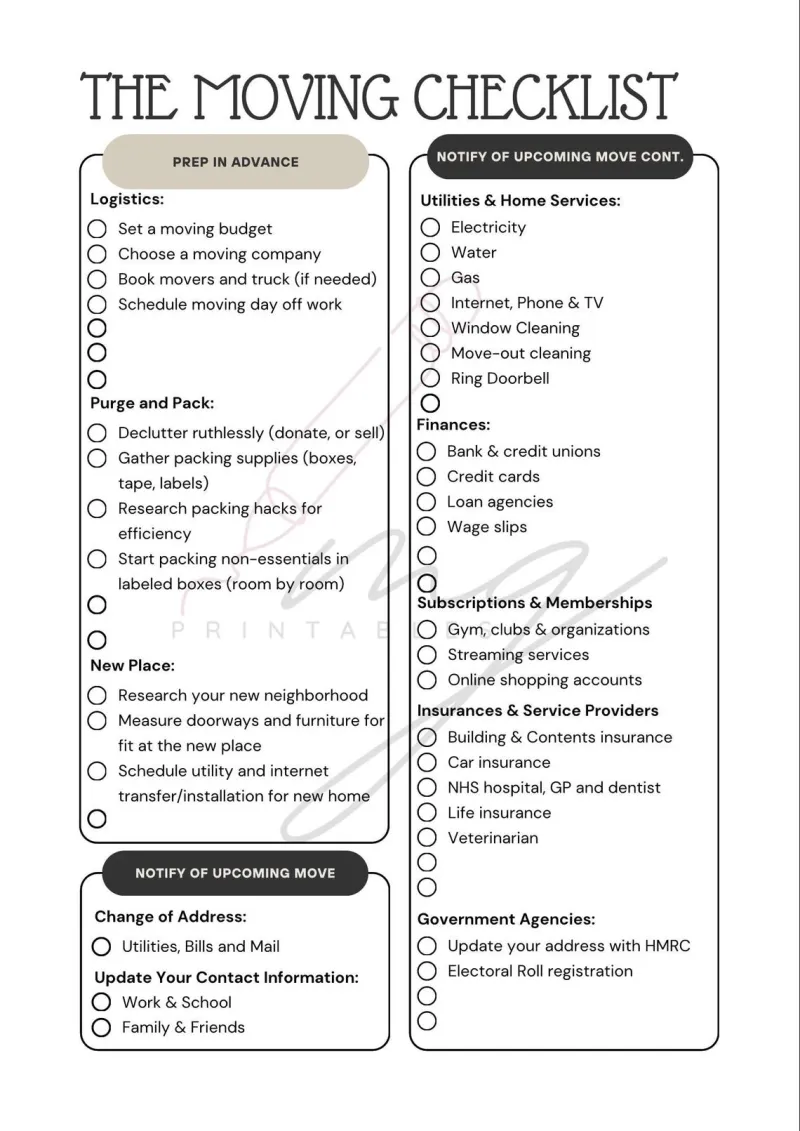
The most financially responsible approach to any relocation begins with an honest, comprehensive budget that accounts for every line item — not just the truck rental quote. Before committing to either path, calculate the realistic total cost of your DIY option, including time, materials, risk exposure, and contingency for unexpected expenses.
At JT Packers & Movers, we encourage every customer to request a detailed quote and compare it against a fully loaded DIY estimate. In many cases, the difference is smaller than expected — and the value of professional care, proper liability coverage, and reliable execution often tips the balance. Moving made simple is not always the same as moving made cheapest, but it is almost always the smarter investment.