Dressed for the Job: How Professional Moving Attire Protects You, Your Team, and Your Belongings
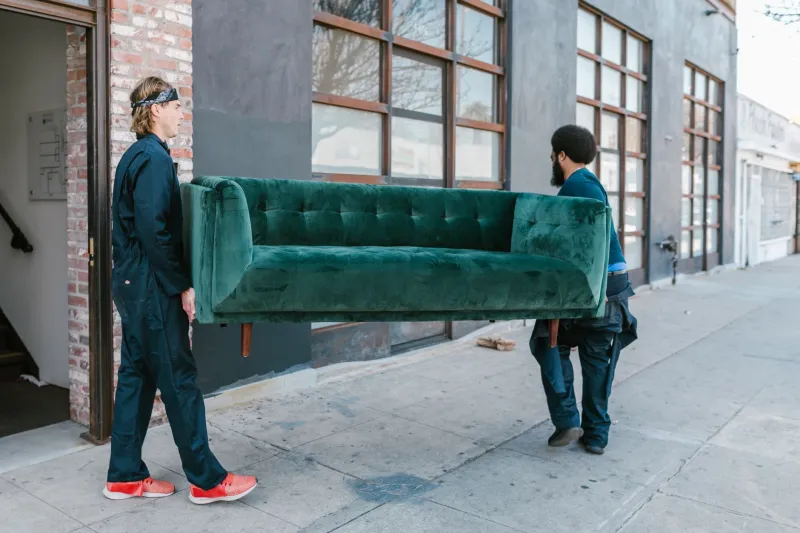
When evaluating a moving company, most people focus on price, availability, and reviews. Rarely does anyone think to ask: what will your crew be wearing when they show up at my door? Yet the clothing and protective gear a moving team arrives in speaks volumes about the professionalism of the operation — and has a direct bearing on how safely your move will proceed.
Properly equipped movers are not simply following a dress code. They are reducing the risk of injury, protecting your floors and walls, and signaling to you that the company behind them takes its work seriously. Understanding what separates a well-outfitted professional crew from an underprepared one can help you make a more informed decision when selecting a mover.
Why Attire Is a Safety Issue, Not Just an Aesthetic One
Moving is physically demanding work. Crews routinely lift appliances weighing several hundred pounds, navigate narrow staircases with bulky furniture, and work in conditions ranging from summer heat to winter ice. In that environment, clothing is not incidental — it is functional equipment.
Ill-fitting clothing, for example, can catch on door frames, furniture edges, or loading ramp hardware. Loose sleeves or untucked shirts create snagging hazards that can cause a mover to lose grip on a heavy item mid-carry. Conversely, clothing that is too restrictive limits range of motion during lifts, increasing the likelihood of muscle strain or a dropped load.
Professional movers wear attire that balances mobility with protection: fitted but not constrictive, durable but not stiff. This is a deliberate choice informed by experience, and it reflects a company's broader commitment to operational safety.
Footwear: The Most Critical Element
If there is one component of a mover's uniform that carries the greatest consequence, it is footwear. Movers are on their feet for hours at a time, traversing surfaces that range from hardwood floors and tile to gravel driveways and wet loading ramps.
Professional moving crews wear closed-toe, slip-resistant boots or work shoes — ideally with steel-toed or composite-toed protection. This is not optional on a reputable crew. A dropped appliance or shifting piece of furniture can cause serious foot injuries in seconds, and standard sneakers offer virtually no protection against that kind of impact.
Slip resistance matters as much as toe protection. Wet grass, polished floors, and rain-slicked ramps are common on moving days. Boots with proper tread patterns reduce the chance of a fall, particularly when a mover is descending a ramp with a loaded dolly or carrying a piece of furniture down exterior steps.
When evaluating a moving company, take note of whether their crew arrives in appropriate footwear. Open-toed shoes, sandals, or worn-out sneakers are immediate indicators of a team that has not been properly equipped — or trained.
Weather-Appropriate Layering and Climate Considerations
Professional movers in the United States work year-round, and the country's climate variation means that a crew in Minnesota in January faces entirely different conditions than one working in Phoenix in July. Responsible moving companies outfit their teams for the conditions they will actually encounter.
In cold weather, layering is essential. Movers need to stay warm during outdoor loading and unloading while avoiding overheating during the physical exertion of carrying heavy loads. Moisture-wicking base layers, insulating mid-layers, and wind-resistant outer shells allow crews to regulate their temperature effectively throughout the job.
In summer heat, breathable, lightweight fabrics that allow perspiration to evaporate are critical. Overheated movers fatigue more quickly, make more errors, and are at greater risk of heat-related illness. Reputable companies monitor heat index levels on extreme weather days and adjust crew schedules or provide additional hydration accordingly.
Rain gear is another consideration that distinguishes professional operations. Waterproof jackets and pants allow crews to continue working in wet conditions without becoming soaked — which not only affects their physical comfort but also reduces the risk of water being tracked into your home or dripped onto your furniture.
High-Visibility and Branded Uniforms: More Than Marketing
Many professional moving companies outfit their crews in branded uniforms, typically featuring the company's name, logo, and a consistent color scheme. Beyond brand recognition, this serves a practical security function for you as the client.
When a uniformed crew arrives at your home, you can immediately verify that they are who they say they are. In a busy neighborhood, it also signals to others that a legitimate, identifiable business is conducting the move — a subtle but meaningful deterrent against opportunistic theft during the loading process.
High-visibility elements, such as reflective strips on jackets or bright-colored shirts, are particularly valuable during early morning moves or in low-light conditions around moving trucks. Visibility reduces the risk of crew members being struck by vehicles in parking lots, driveways, or street-side loading zones.
Protective Gear Beyond Clothing
A fully equipped professional mover carries more than just appropriate clothing. Back support belts, while not a substitute for proper lifting technique, provide additional lumbar reinforcement during heavy lifts. Work gloves protect against abrasions, splinters, and the sharp edges of disassembled furniture hardware, while also improving grip on smooth or awkwardly shaped items.
Knee pads may be used when crews are working at floor level, particularly when wrapping furniture legs or securing items in the truck bed. Some companies also provide hard hats on commercial jobs involving overhead hazards or construction-adjacent environments.
These details are not excessive. They are the markers of a company that has invested in its crew's wellbeing — and by extension, in the quality of service it delivers to you.
What to Wear If You're Helping With the Move
Many clients choose to assist their moving crew on moving day, whether to save time, reduce costs, or simply stay involved in the process. If you plan to participate, dressing appropriately is essential for your own safety.
Consider this practical checklist before moving day:
- Closed-toe shoes with solid traction — No flip-flops, sandals, or dress shoes. Athletic sneakers are acceptable; work boots are better.
- Fitted, flexible clothing — Avoid loose fabrics that can catch on furniture or equipment. Athletic wear or work pants with some stretch work well.
- Gloves — Even a basic pair of work gloves reduces the risk of blisters and protects against sharp edges.
- Layers if weather is variable — You will move between indoor and outdoor environments repeatedly. Plan for temperature changes.
- Hair secured away from your face — A practical measure that reduces distraction during lifts.
- Avoid jewelry — Rings, bracelets, and dangling necklaces can catch on furniture hardware or create grip problems.
Reading the Room: What a Crew's Appearance Tells You
Before a single box is loaded, a moving crew's appearance provides meaningful information about the company behind them. Uniformed, properly shod, and visibly equipped crews reflect an organization that has established standards and enforces them. A crew arriving in mismatched clothing, inappropriate footwear, or without basic protective gear suggests the opposite.
At JT Packers & Movers, we believe that the details visible from the moment our team arrives at your door should give you confidence — not concern. The way our crews present themselves is a direct extension of how we approach every aspect of your move: with preparation, professionalism, and a genuine commitment to getting it right.
Moving day involves enough variables beyond anyone's control. The attire and equipment your movers bring to the job should never be one of them.